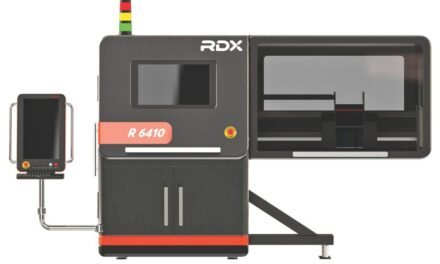
At recently held Knit Show 2026, FAHI-Q INNOVATION showcased its latest digital machine synchronised with an automatic octopus-type screen printing machine. The technology offers manufacturers the possibility of integrating digital printing into existing round-type machines. Mohamed Ansar discusses their export plans and the increasing demand for digital / hybrid printing solutions with Arvind Kumar, Editor, Apparel Views.
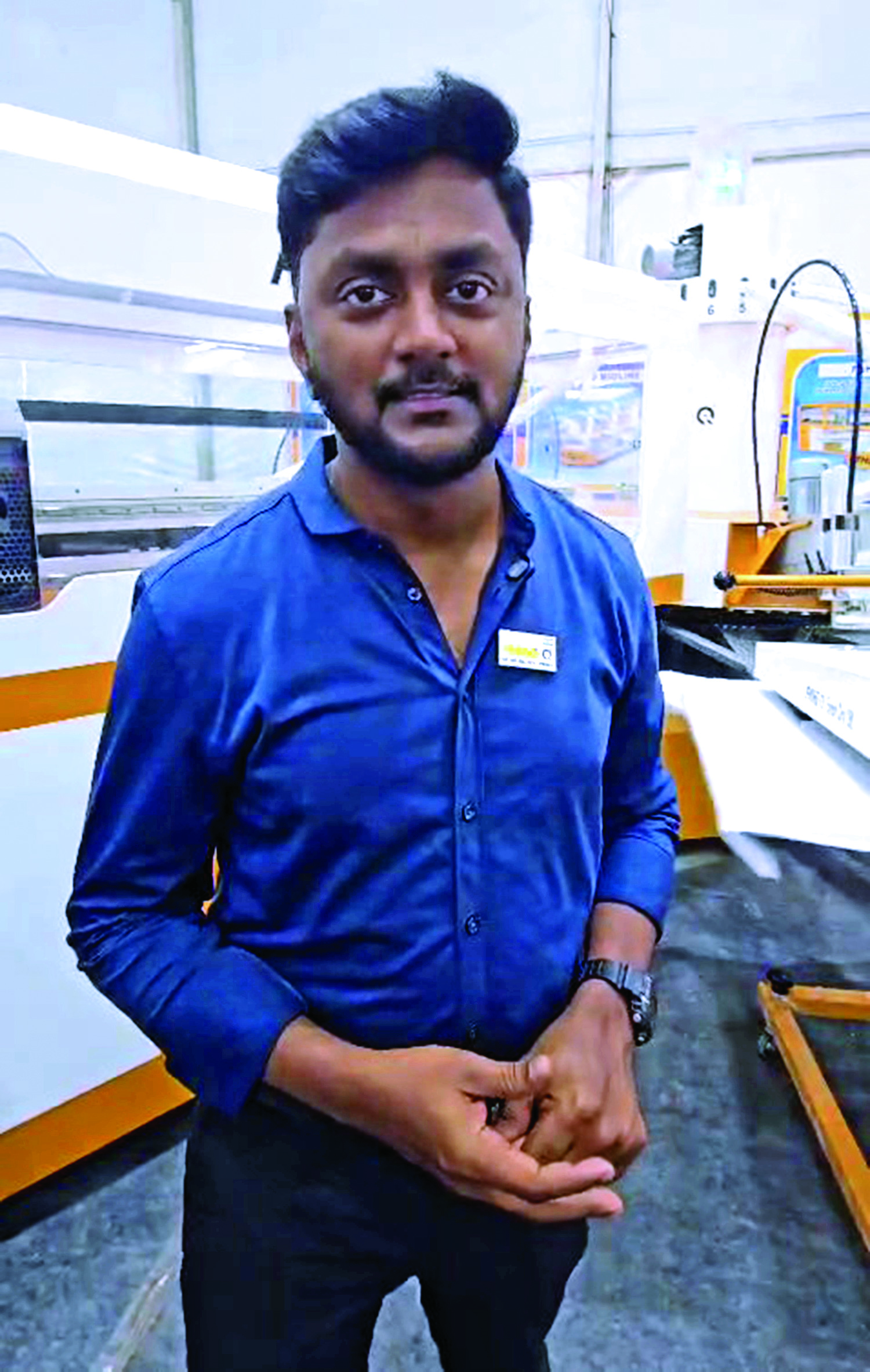 What is the new technology you have launched at the show 2026?
At Knit Show 2026, we have introduced digital machines synchronised with automatic octopus-type machines. Normally, we have seen digital machines synchronised with oval machines. This time, however, we have introduced a digital machine that is synchronised with a round-type, or octopustype, screen printing machine.
Why is it difficult to have this kind of attachment with a round machine?
It is not difficult to have this machine with a round machine. Earlier, there were comparatively more oval machines, but today there are a greater number of round machines installed in the industry. Therefore, if a customer has any brand of round-type machine, we are ready to synchronise our digital machine with that machine. This means manufacturers can add this facility to their existing machines.
What is the print head used in this machine and the cost.
The machine running behind us is based on a complete head of RICO GEN6. The cost is around Rs.24 lac. This makes it easy and economical for a customer to install the digital machine on an existing round machine.
FAHI-Q is one of the few companies manufacturing machines in India. How has your experience been competing with Chinese companies?
We are very proud to be a Made-in-India machine manufacturer. The market today has a large number of Chinese machines, but we are not particularly concerned about that because customers who are looking for quality are choosing FAHI-Q. The arrival of Chinese machines has therefore not had much impact on FAHI-Q.
When you compare the pricing of Chinese machines with FAHI-Q, it is almost equal.However, when you compare the quality, our machines are built to Europeanstandard quality. Chinese machines are generally manufactured using Chinese products, whereas FAHI-Q machines use international-standard products, including drives and pneumatic parts. Everything we use in our machines is sourced from various countries and consists of international-standard products.
Could you tell us about your installations in India and exports?
FAHI-Q has been making and selling machines for the past eight years. So far, we have sold more than 550 machines across India. Three months ago, we also exported a machine to Bangladesh. Going forward, we are planning to export machines to Sri Lanka, Saudi Arabia, Dubai and other markets.
Particularly in printing, what trends are you seeing in India and other markets?
The major trend this year is digital machines. Digital machines started making a significant impact in the printing industry from last year onwards, but this year the shift towards digital has become much stronger. Digital technology is becoming an important trend in screen printing and hybrid printing. This is creating demand for machines that can add a digital component to existing printing systems.
Therefore, we displayed two machines oval with digital and round with digital. Most of the customers were very interested to see these machines at the exhibition. There are more innovations that we are looking forward to. We will be updating the market soon with further developments.
How has the market performed over the last one year? How do you see the next three to four years?
We expect the market to perform well. The market has been somewhat slow over the last two to three months due war-related reasons and other factors. Hopefully, with India signing many FTA’s we will receive a good response in the coming years. We are looking forward to the opportunities ahead.