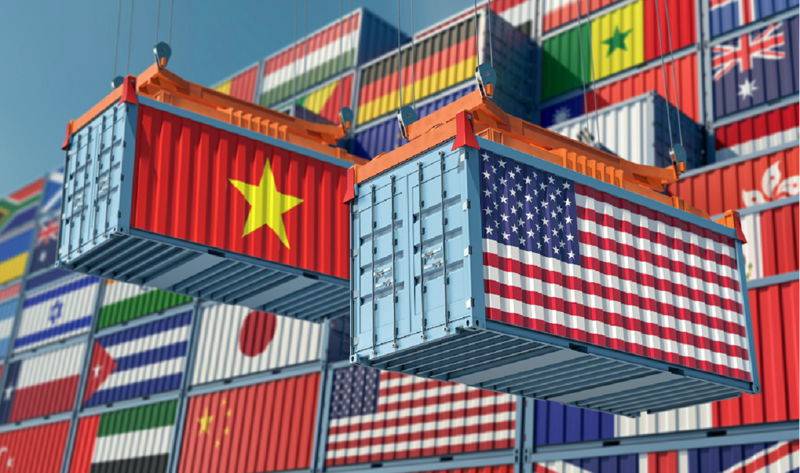
Vietnam faces higher US tariffs relative to its peers and risks undermining competitiveness in the clothing sector, as the largest exporter of clothing to the United States has fallen outside the mechanism that could have reduced duties on specific textile imports.
The decision, published in the Federal Register, could affect the supply chains of major apparel brands with a substantial manufacturing base in Vietnam. Among the leading investors in Vietnam are Nike, Gap, Ralph Lauren, and Under Armour. The companies did not immediately respond to requests for comment.
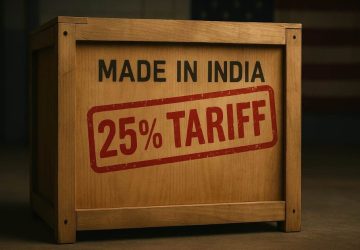
The new tariffs of 10% and 12.5% take effect on Friday and apply to 60 trading partners in response to accusations of weak compliance with anti-forced labor prohibitions. Vietnam, which is still negotiating a trade agreement with the United States under the Donald Trump administration, faces a 12.5% tariff rate, just like China. Competitors Bangladesh, Cambodia, Indonesia, and Malaysia, which have trade agreements in place, fall under tariffs of 10%.
The measures replace the temporary 10% tariffs that were due to expire on Friday, after the U.S. Supreme Court struck them down as part of the so-called “reciprocal” tariffs system. Vietnam surpassed China last year as the largest exporter of clothing to the United States and remains one of the countries with the largest trade surpluses with Washington, according to U.S. trade data.
The Vietnamese textile and apparel sector now faces double pressure: on one hand competition is intensifying, on the other tariffs are rising, and there are exemptions for countries with trade deals that can partially reduce clothing shipments to the United States.
The new textile import mechanism, which is being introduced where feasible, will be a three-year program and, at the initial stage, will provide quotas allowing part of the exports from Bangladesh, Cambodia, Indonesia, and Malaysia to avoid or reduce additional tariffs through U.S. purchases of cotton and textile feedstock.
The mechanism’s terms provide that a portion of the corresponding exports from these countries may fall under reduced or zero additional tariffs thanks to the use of U.S. resources in supply chains. As events unfold, government and business entities are closely watching how the mechanism will work in practice and what implications it will have for global fashion supply chains.