Market Summary
According to latest research by Growth Market Reports, the global AI in Apparel Design market size reached USD 1.42 billion in 2024 and is expected to grow at a robust CAGR of 28.7% from 2025 to 2033, reaching a projected value of USD 14.19 billion by 2033. This remarkable growth is primarily driven by the increasing integration of artificial intelligence into various facets of the apparel industry, from design automation to supply chain optimization, as brands and manufacturers seek to enhance efficiency, creativity, and consumer engagement in a highly competitive landscape.
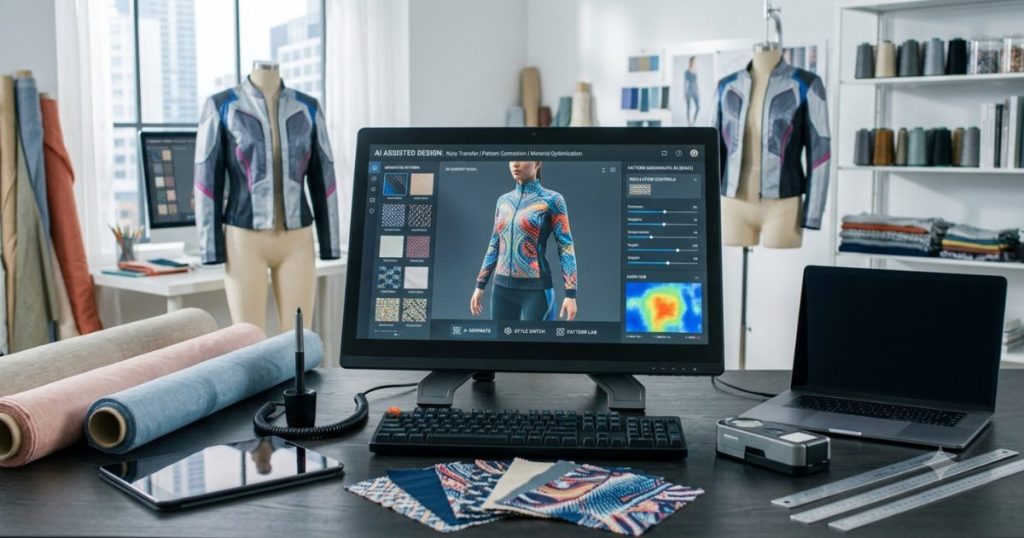
The AI in Apparel Design Market is emerging as one of the most dynamic segments within the global fashion technology industry. As artificial intelligence continues to reshape creative and manufacturing processes, apparel brands are increasingly integrating AI-powered tools into product design, trend forecasting, material selection, and customer personalization. These capabilities help companies reduce design cycles, minimize waste, and respond more effectively to changing consumer preferences.
Key Market Drivers
Growing demand for personalized fashion experiences remains a major factor driving market expansion. Consumers increasingly expect clothing that reflects their unique preferences, encouraging brands to adopt AI-powered recommendation engines and customization platforms.
The industry’s focus on sustainability is another significant growth driver. AI optimizes fabric utilization, predicts inventory demand, and minimizes production waste. These capabilities help apparel manufacturers reduce excess inventory while supporting environmentally responsible production practices.
Additionally, the rapid adoption of digital fashion technologies, cloud computing, and advanced analytics is encouraging both established brands and emerging designers to invest in AI-enabled design solutions.
Emerging Opportunities Across the Fashion Ecosystem
The increasing popularity of virtual fashion and digital clothing presents substantial opportunities for market participants. AI is enabling the creation of realistic digital garments for gaming, social media, virtual reality, and online retail experiences.
Another promising opportunity lies in AI-assisted collaboration between designers and manufacturers. Intelligent platforms facilitate seamless communication throughout the supply chain, improving production accuracy and reducing lead times.
Small and medium-sized fashion businesses are also embracing affordable AI software to compete with larger global brands. Cloud-based solutions are lowering implementation costs, making advanced design technologies accessible to businesses of all sizes.
Challenges Limiting Market Growth
Despite its strong potential, the AI in Apparel Design Market faces several challenges. High implementation costs associated with sophisticated AI software, data infrastructure, and employee training can discourage adoption, particularly among smaller organizations.
Data privacy concerns also continue to influence purchasing decisions. AI systems require large volumes of consumer information to deliver accurate recommendations, making secure data management a priority for fashion companies.
Moreover, balancing AI-generated creativity with human artistic expression remains an ongoing challenge. While AI enhances productivity, designers continue to play a vital role in preserving originality and brand identity.
Competitive Landscape
- Stitch Fix
- Zalando
- ai
- Heuritech
- Fashwell (acquired by Zalando)
- Syte
- FindMine
- ai
- Bold Metrics
- Sewbo
- Revery AI
Future Outlook
The future of the AI in Apparel Design Market appears highly promising as artificial intelligence becomes deeply integrated into every stage of apparel creation. From concept generation and fabric optimization to personalized shopping experiences and sustainable manufacturing, AI is transforming traditional fashion processes into intelligent, data-driven operations.
As digital transformation continues across the global fashion industry, organizations investing in AI-powered design technologies are expected to gain stronger competitive positioning, improve operational efficiency, and deliver innovative products that meet rapidly evolving consumer expectations.
Source: https://growthmarketreports.com/report/ai-in-apparel-design-market