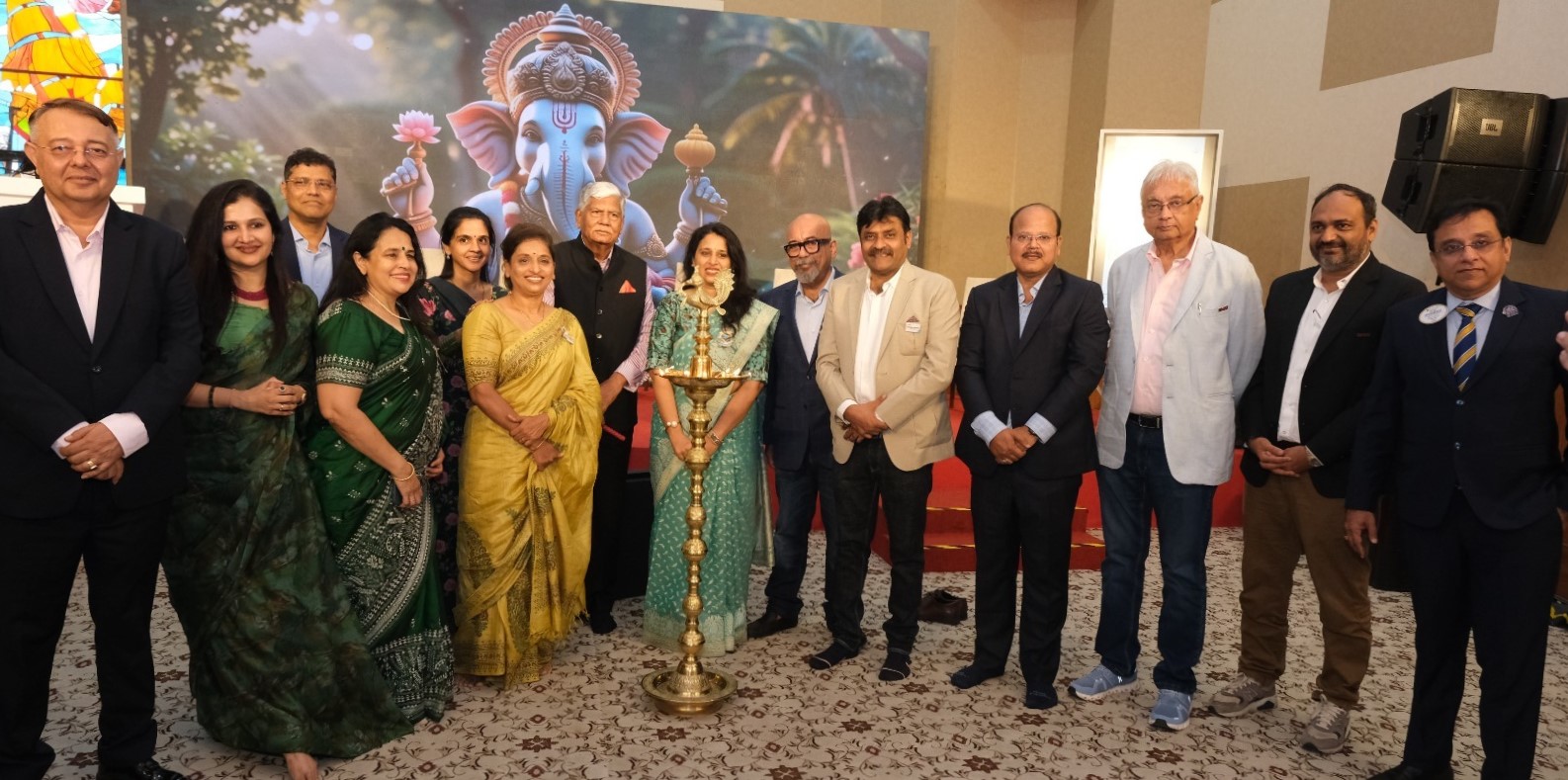
Reinforcing the critical role of consumers in building a circular textile and apparel ecosystem, the Clothing Manufacturers Association of India (CMAI) in collaboration with United Nations Industrial Development Organization (UNIDO), ReFiber, Oterri, Tisser, World Trade Center Mumbai, and Lions International, today launched the ‘Mega Used Clothes Upcyclon’, a nationwide consumer awareness and used-clothing collection and upcycling initiative at a programme held in Mumbai on World Environment Day (5th June).
The Mega Used Clothes Upcyclon aims to strengthen the post-consumer textile waste management ecosystem which is essential for achieving complete circularity in the textile and apparel sector. Industry estimates indicate that more than half of all textile waste is generated after consumer use, while nearly two-thirds of discarded household apparel ends up in landfills or open dumps. These figures underline the urgent need to build consumer awareness and participation alongside scalable collection, recycling, reuse, and upcycling solutions.
Addressing the gathering, Chief Guest, Smt. Vrunda Desai, Textile Commissioner, Ministry of Textiles, Government of India emphasized the importance of collective action among industry, government, civil society organisations, and consumers in accelerating sustainability and circularity across the textile value chain. She highlighted the growing need for conscious consumption and responsible disposal practices to reduce the environmental impact of fashion and create a more sustainable future.
Speaking on the occasion, Santosh Katariya, President, CMAI said “The transition towards a circular economy cannot be achieved by industry efforts alone. Consumers are a critical stakeholder in this journey. Every garment that is responsibly donated instead of discarded contributes to extending its lifecycle, reducing waste, conserving valuable resources, and lowering environmental impact. Through this initiative, CMAI and its partners have planned to create greater awareness about the importance of responsible consumption and empower citizens to become active participants in India’s circular economy movement.”
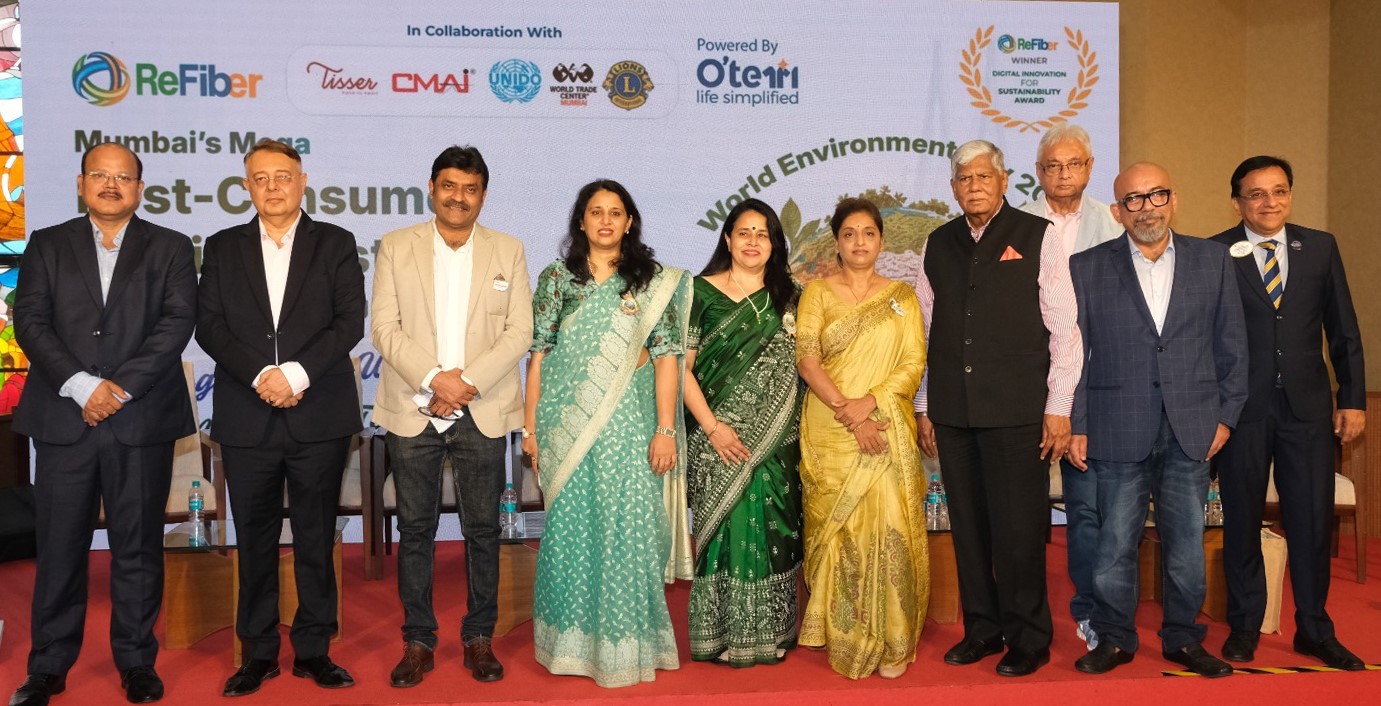
While the textile and apparel industry continues to invest significantly in sustainable manufacturing processes and circular business models, achieving meaningful impact requires active consumer engagement. The campaign seeks to bridge this gap by encouraging citizens to become responsible stakeholders in the circular economy. As part of the programme, with the support of Tisser, an organisation working with over 20,000 women artisans and workers, the aim is to collect 20,000 kilograms of used clothing and household textiles for upcycling and reuse. The initiative will not only help reduce textile waste and environmental impact but will also create sustainable livelihood opportunities for thousands of women engaged in the upcycling value chain.
The campaign marks the beginning of a larger consumer awareness movement spearheaded by CMAI to encourage responsible consumption and create an accessible ecosystem for collection, reuse, upcycling, recycling, and reduction of post-consumption textile waste. Naveen Sainani, Hon. Gen. Secretary and Chairman, ESG Committee, CMAI stated “India’s textile and clothing industry is committed to accelerating circularity, but the success of these efforts depends on building an ecosystem that connects consumers, collection networks, recyclers, upcyclers, and manufacturers. This initiative is designed not only to divert textile and clothing waste from landfills but also to demonstrate how discarded garments can be transformed into economic, social, and environmental value. It is a powerful example of how collective action can create measurable impact.”
As part of its broader sustainability agenda, CMAI has been actively bringing together stakeholders across the textile and apparel value chain. Earlier this year, CMAI successfully hosted the inaugural ECO-STITCH Sustainability Conclave in Mumbai with the support of the Global Alliance for Textile Sustainability Council (GATS), Brands & Sourcing Leaders Association (BSL), and UNIDO, creating a platform for dialogue, innovation, and collaborative action towards a more sustainable future for the industry.