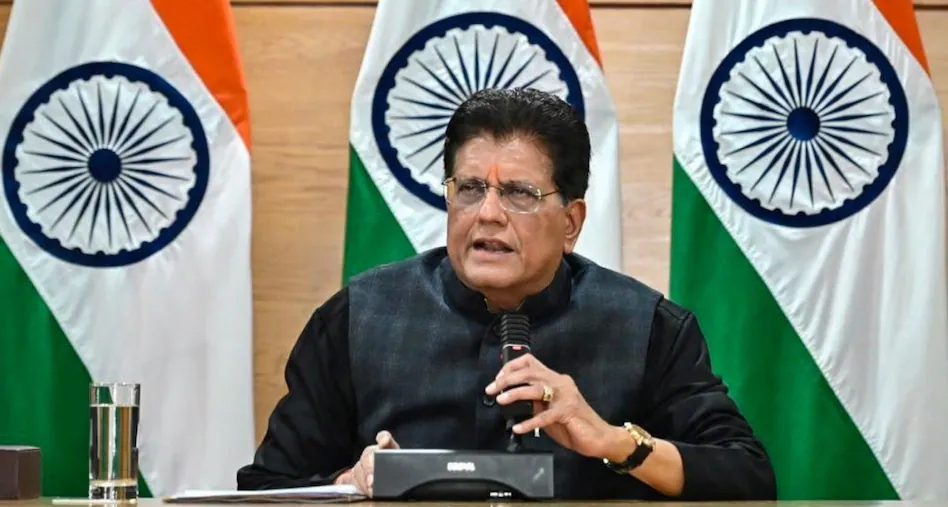
India’s textile and apparel sector could secure zero-tariff access to the United States — similar to concessions extended to Bangladesh – if Indian manufacturers use American cotton, Commerce Minister Piyush Goyal has indicated, signalling a potentially significant shift in bilateral trade dynamics.
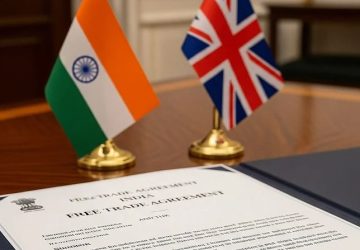
The development comes as New Delhi and Washington work toward signing an interim trade agreement expected around March, aimed at easing tariff barriers while protecting sensitive domestic sectors, particularly agriculture.
Commerce Minister Piyush Goyal said cotton imports meant for processing will attract nil duty under the proposed India-US trade deal, clarifying that the provision is designed to secure supply-chain advantages without undermining domestic producers. He noted that India would gain cotton-related benefits similar to those seen in the US-Bangladesh arrangement, while emphasising that the scale of US cotton production remains lower than India’s and that the policy is structured to ensure Indian cotton farmers are not adversely affected.
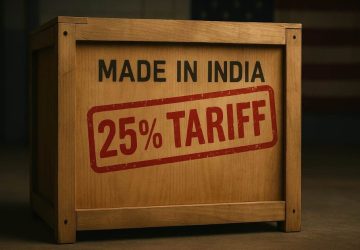
Under the proposed arrangement, US reciprocal tariffs on Indian textile and apparel exports would be reduced to 18%. Indian exporters had been uneasy after the United States announced an Agreement on Reciprocal Trade with Bangladesh, lowering reciprocal tariffs on Bangladeshi imports to 19% and allowing select textile and clothing items to enter the US duty-free.
Those concessions apply particularly to goods made using American cotton and man-made textiles, with volumes linked to Bangladesh’s imports of US textile inputs.
Under the trade deal, the Most Favoured Nation (MFN) tariff will continue to apply because the concession is limited to the reciprocal portion of the duty structure. As a result, officials estimate that the effective tariff on garments made with US cotton could fall to roughly 3%.
The structure mirrors elements of Washington’s recent trade engagement with Bangladesh, where tariff relief has been linked to supply-chain integration with US raw materials.